

The Allure of Gambling: Understanding the Motivations
The psychology of gambling is intricately connected to the motivations that draw individuals into casinos. One of the most compelling factors is the thrill associated with risk-taking and the anticipation of winning. For many, the excitement of placing a bet and the prospect of a significant payout fulfill a deep-seated desire for adventure and the unknown, which is why many players seek out the best anonymous casinos to enhance their experience. This need for excitement can serve as an escape from the mundane aspects of daily life, offering a temporary reprieve from stress, responsibilities, and the routine grind of work or home life.
In addition to the thrill of risk, social interaction plays a pivotal role in attracting people to casinos. Gambling is often perceived as a communal activity, where friends and family come together to share in the experience, thus enhancing enjoyment and excitement. The vibrant atmosphere of casinos, replete with flashing lights, lively sounds, and the buzz of anticipation, fosters social bonding and creates a sense of belonging. This emotional connection can amplify the overall experience, making the act of gambling more enjoyable and memorable.
Moreover, cognitive biases and fallacies, such as the illusion of control, significantly influence gambling behavior. Many gamblers are convinced that their decisions or strategies can affect outcomes, leading them into a psychological trap of continuous play. This belief can encourage players to gamble more, fueled by the hope of beating the odds, even when statistical evidence suggests otherwise. Understanding these motivations is crucial for recognizing the psychological underpinnings of gambling behavior in casinos.
The Role of Environmental Factors in Gambling Behavior
The design of a casino is more than just aesthetic; it is a carefully crafted environment meant to stimulate the senses and enhance the gambling experience. Elements such as colors, sounds, and layout are orchestrated to influence player behavior and prolong engagement. For example, bright colors and engaging sounds are strategically used to create an enticing atmosphere that keeps players on edge and eager to continue gambling. The hypnotic ringing of slot machines and the vibrant lights play a significant role in heightening excitement, making it challenging for players to leave.
Additionally, the layout of casinos is engineered to create a sense of disorientation, effectively keeping players immersed in the gambling environment. With a maze-like arrangement of tables and machines, players often navigate without a clear sense of direction, making it easy for them to lose track of time and money. The absence of clocks and windows fosters a sense of timelessness, encouraging extended gambling sessions that can lead to impulsive spending and poor decision-making.
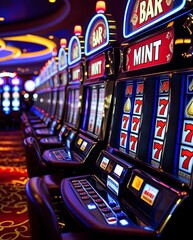
A critical environmental factor that influences gambling behavior is the availability of alcohol, frequently served for free in many casinos. Alcohol can reduce inhibitions and impair judgment, leading individuals to gamble more recklessly than they normally would. The combination of a relaxed mindset, coupled with the vibrant and stimulating environment of the casino, can result in irresponsible betting behaviors. This highlights the psychological impact of the environment on gambling habits, making it essential for players to remain aware of their surroundings and the influences at play.
The Impact of Cognitive Biases on Gambling Decisions
Cognitive biases significantly shape gambling decisions, often leading players to make irrational choices. One prominent bias is the gambler’s fallacy, where individuals mistakenly believe that past outcomes can influence future probabilities. For instance, a player may think that a slot machine is ‘due’ for a payout after experiencing a series of losses, which can drive them to continue playing despite the negative expected value of their bets. This fallacy underscores the flawed reasoning that can lead to prolonged gambling sessions.
Another critical bias is confirmation bias, where gamblers seek out information or experiences that affirm their beliefs about luck or strategy while ignoring contradictory evidence. This tendency can lead to an overestimation of personal success and an underappreciation of the role of chance, fostering a cycle of gambling addiction. Players may cling to the notion that they can control or predict outcomes, perpetuating their engagement with casino games even amid persistent losses.
Furthermore, the near-miss effect represents a psychological phenomenon that can exacerbate gambling tendencies. Players often experience excitement when they come close to winning, such as landing two out of three matching symbols on a slot machine. This feeling of being on the verge of success can create a compulsion to continue gambling, as players believe that a win is imminent. The reinforcement of these near-miss experiences can lead to excessive gambling and difficulties in recognizing when to stop, further complicating the psychological landscape of casino gambling.
Emotional Influences and Gambling Behavior
Emotional states can profoundly affect gambling behavior, leading individuals to gamble for various reasons. Many people turn to gambling as a coping mechanism to deal with negative emotions such as stress, anxiety, or depression. The immediate thrill of gambling can provide temporary relief from these feelings, creating a cyclical pattern where individuals increasingly rely on gambling as their primary form of emotional escape. This reliance can escalate into compulsive gambling, where the need to bet becomes a dominant coping strategy.
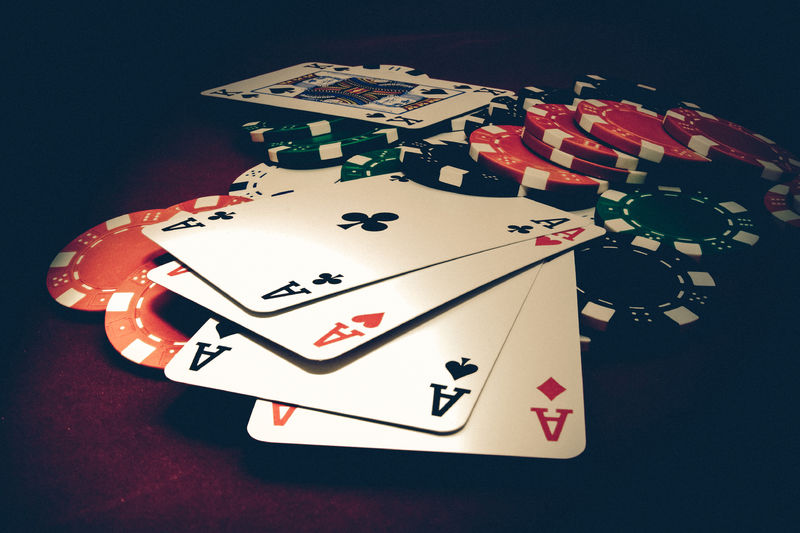
Conversely, positive emotions can also drive gambling behavior. Many individuals associate gambling with celebrating significant life events or simply having fun, which can lead to increased participation during joyous occasions. This association can create a feedback loop, where the more one connects gambling to happy experiences, the more likely they are to continue engaging in the activity regardless of its potential consequences. Celebratory gambling may lead individuals to overlook responsible gambling practices, prioritizing enjoyment over caution and awareness.
Additionally, the social dynamics surrounding gambling can profoundly influence emotional responses. Winning can evoke feelings of elation and accomplishment, while losing can bring about frustration and disappointment. This emotional rollercoaster can become addictive, as players chase the highs of winning while trying to avoid the lows of losing. The interplay of emotions within the gambling experience underscores the complexity of psychological factors at play in casinos, making it essential to understand these dynamics for healthier engagement with gambling.
Understanding Responsible Gambling and Resources
As our understanding of gambling psychology deepens, promoting responsible gambling practices becomes increasingly crucial. Awareness of the psychological factors that influence gambling behavior empowers individuals to make informed decisions and helps them recognize unhealthy patterns. Educational programs emphasizing the risks associated with gambling and the importance of setting limits can play a vital role in mitigating potential negative impacts. Such initiatives can raise awareness and create an informed player base that prioritizes responsible gambling.
Various resources are available for individuals seeking assistance with gambling-related issues. Organizations dedicated to promoting responsible gambling offer crucial support services, including counseling and hotlines for those struggling with addiction. These resources aim to create a supportive environment where individuals can share their experiences and seek help, ensuring they do not have to navigate their challenges alone. Access to such support can be instrumental in recovery and fostering healthier gambling habits.
Ultimately, cultivating a culture of responsibility and awareness can significantly benefit both individuals and communities. By understanding the psychological aspects of gambling, players can engage with casino games more mindfully, ensuring that their experiences remain enjoyable and do not lead to adverse consequences. The goal is to strike a balance between fun and responsibility, fostering a healthier approach to gambling for all and encouraging players to prioritize their well-being while enjoying the thrill of the game.
 EN
EN  DE
DE  ES
ES  FR
FR